GNSS Calibration: What It Involves and When It's Required
What Is GNSS Calibration?
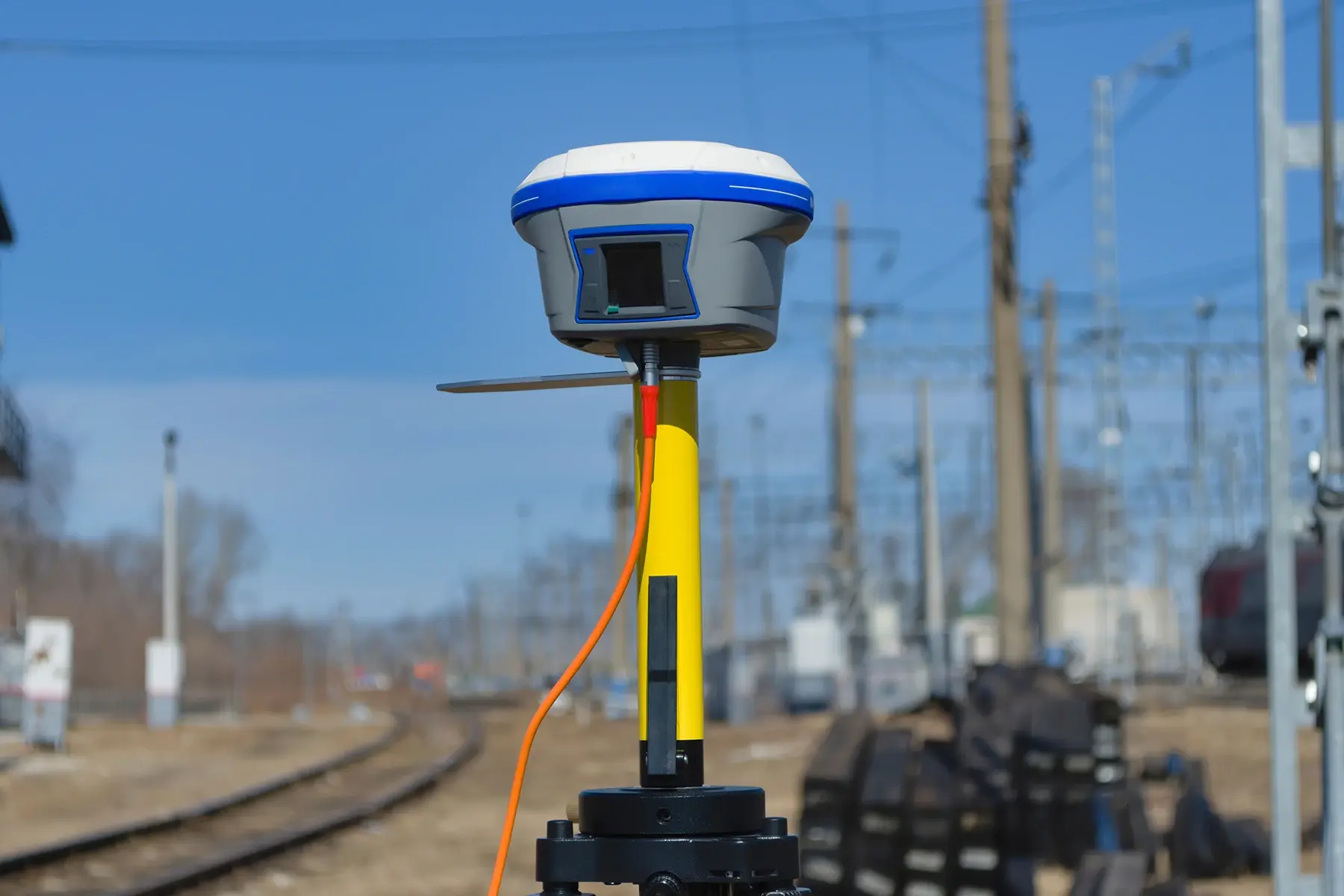
GNSS (Global Navigation Satellite System) receivers used in surveying and construction rely on accurate positioning data to support field measurements. Calibration verifies that a receiver's horizontal and vertical positioning accuracy falls within specified tolerances, confirmed by comparing the unit's output against a certified length master in a controlled lab setting, rather than simply confirming the unit powers on and displays a position.
This is a different process from updating firmware, downloading new satellite ephemeris data, or re-establishing a base station connection — all of which are common troubleshooting steps that do not verify or correct the unit's actual positioning accuracy
How Is GNSS Calibration Different From a Firmware Update?
A firmware update changes the software running on the receiver: bug fixes, new satellite constellation support, or interface improvements. It does not verify or correct the unit's actual positioning accuracy. A receiver can be fully up to date on firmware and still be out of calibration, and conversely, calibration does not substitute for keeping firmware current. Both matter, but they solve different problems.
When Does GNSS Equipment Need to Be Calibrated?
General industry guidance points to calibration:
On a defined interval, often consistent with the receiver manufacturer's recommendations, compliance with published standards, or determined by a risk-based evaluation which considers the equipment's use and the impacts of inaccurate measurements.
After any drop, impact, or exposure to extreme temperature or moisture
Before use on projects with tight positional tolerance requirements
Whenever field performance shows unexplained positional offset compared to expected accuracy
What Does the Calibration Process Involve?
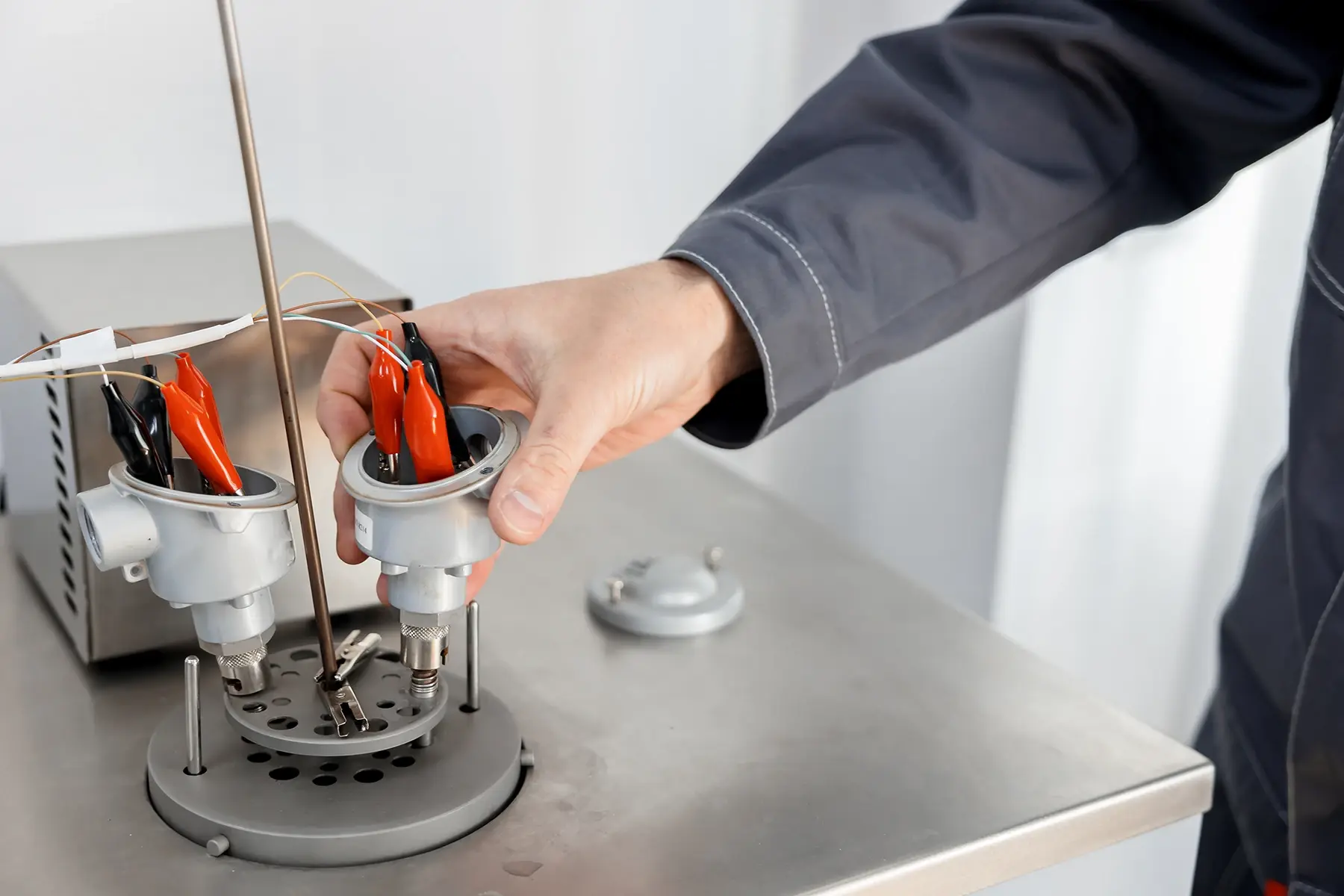
CTPM verifies a GPS receiver's horizontal and vertical positioning accuracy by comparing its output against a certified length master in a controlled lab environment. This single measurement reflects the receiver's real-world position performance; distance and timing are tested together as part of this comparison, not as separate steps. Internal components like antenna phase center adjustment are typically factory-set and locked by the manufacturer, so they fall outside the scope of standard calibration service.
What Certification Documentation Should You Receive?
A GNSS calibration certificate should include:
Instrument identification (make, model, serial number)
The reference standard used, with its own traceability
As-received and as-left measured values, not just a pass/fail statement
The date of calibration and next calibration date
The accrediting body and accreditation number if the lab is accredited to ISO/IEC 17025:2017
Why Traceability Matters for GNSS Calibration
GNSS positioning data often feeds directly into legal boundary determinations, construction stakeout, and infrastructure design. Working with a lab accredited to ISO/IEC 17025:2017 means the calibration itself has been independently assessed for competence, giving that downstream work a documented, traceable foundation rather than an assumed one.
CTPM's GNSS calibration certificates document full traceability to national measurement standards, giving you a defensible record without requiring ISO/IEC 17025 accreditation for this specific service.
That foundation is what protects your project when positioning accuracy is challenged. Contact CTPM to schedule GNSS calibration with documented, traceable results.