On-Site Calibration: When to Bring the Lab to Your Facility
On-Site or In-Lab? A Quick Decision Framework
Shipping an instrument to a calibration lab is the default approach for good reason, and it works well for most equipment. But for certain instruments, especially those that are fixed in place or sensitive to their installed environment, bringing calibration to your facility is the better, or only workable, option. The table below breaks down the factors that typically point one direction or the other.
Factor
Favors On-Site
Favors In-Lab
Instrument size/installation
Fixed installations, such as furnaces, that cannot be shipped
Portable, easy to package and ship without disassembly, or instruments where lab conditions improve accuracy
Sensitivity to environment change
Instruments whose accuracy depends on their installed environment or mounting
Instruments unaffected by a change in location or handling
Downtime tolerance
Equipment that can't be pulled from service for a shipping round-trip
Equipment with a backup unit or schedule flexibility
Volume and mix of instruments
Large, multi-discipline instrument lists where one visit is more efficient than many shipments
A handful of instruments better suited to a controlled lab environment
A furnace's thermocouples, controllers, and recording instruments are calibrated in place because the furnace itself can't be shipped, and because the instrumentation's performance in its actual installed configuration is what AMS2750 pyrometry compliance, the standard referenced by both BAC 5602 and CQI-9, actually needs verified. On-site calibration here isn't a convenience; it's the only practical method.
Why Survey and GPS/GNSS Equipment Stay In-Lab
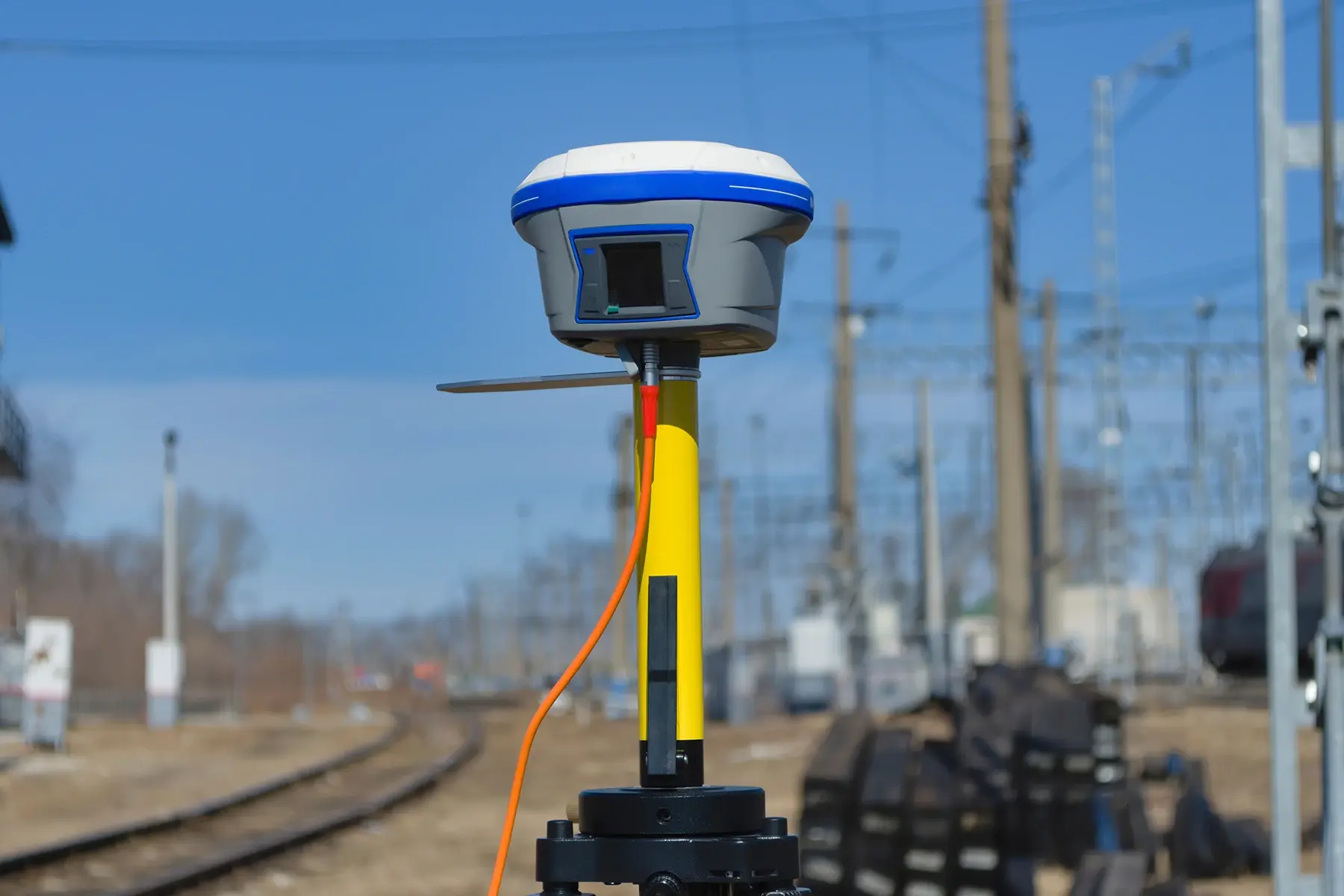
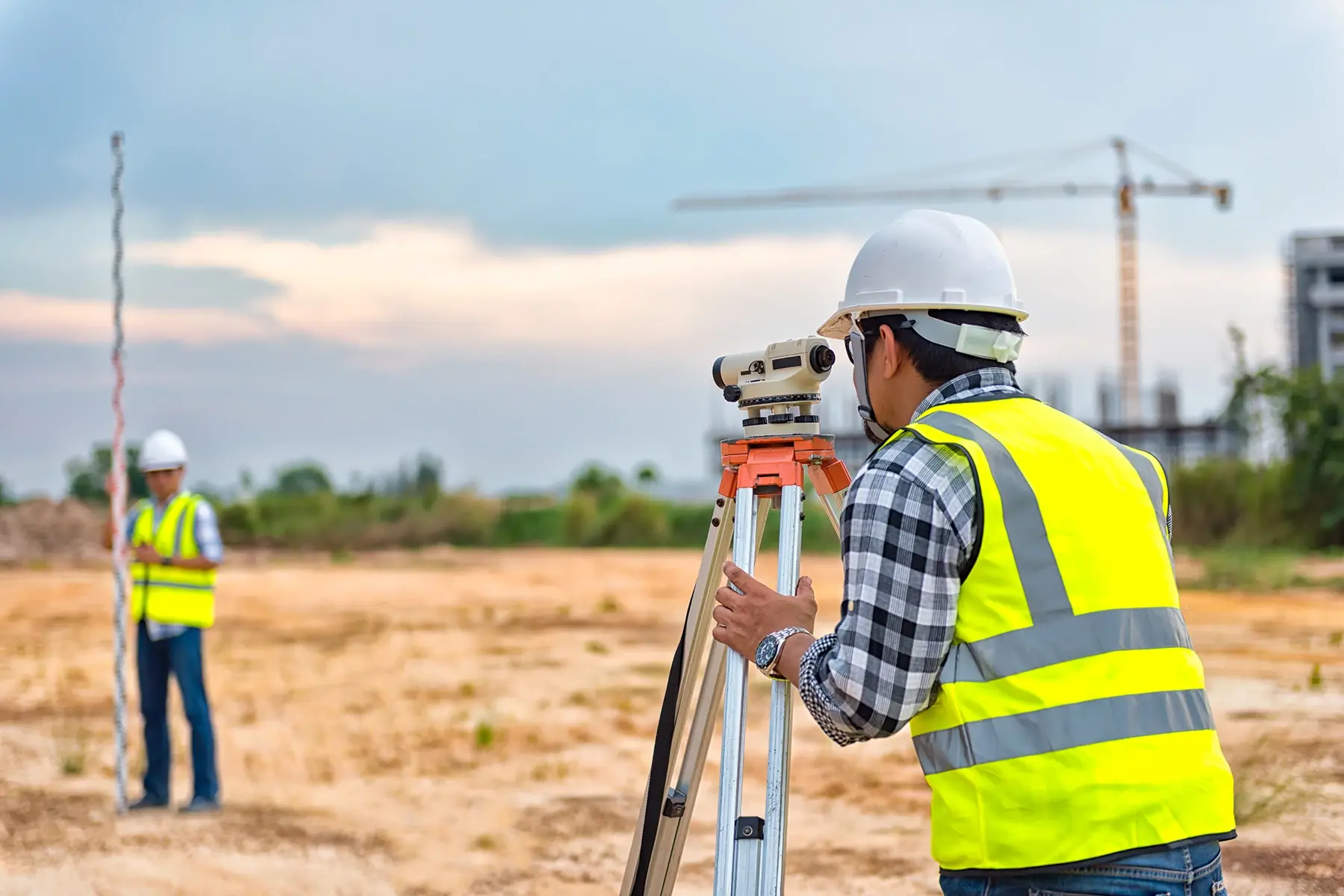
Not every instrument benefits from on-site calibration. Survey equipment, including total stations and GNSS receivers, is calibrated in CTPM's lab rather than in the field. A controlled lab environment removes variables that can affect precision measurement, such as temperature swings and uncontrolled site conditions, giving these instruments the most accurate calibration result.
What to Expect During an On-Site Visit
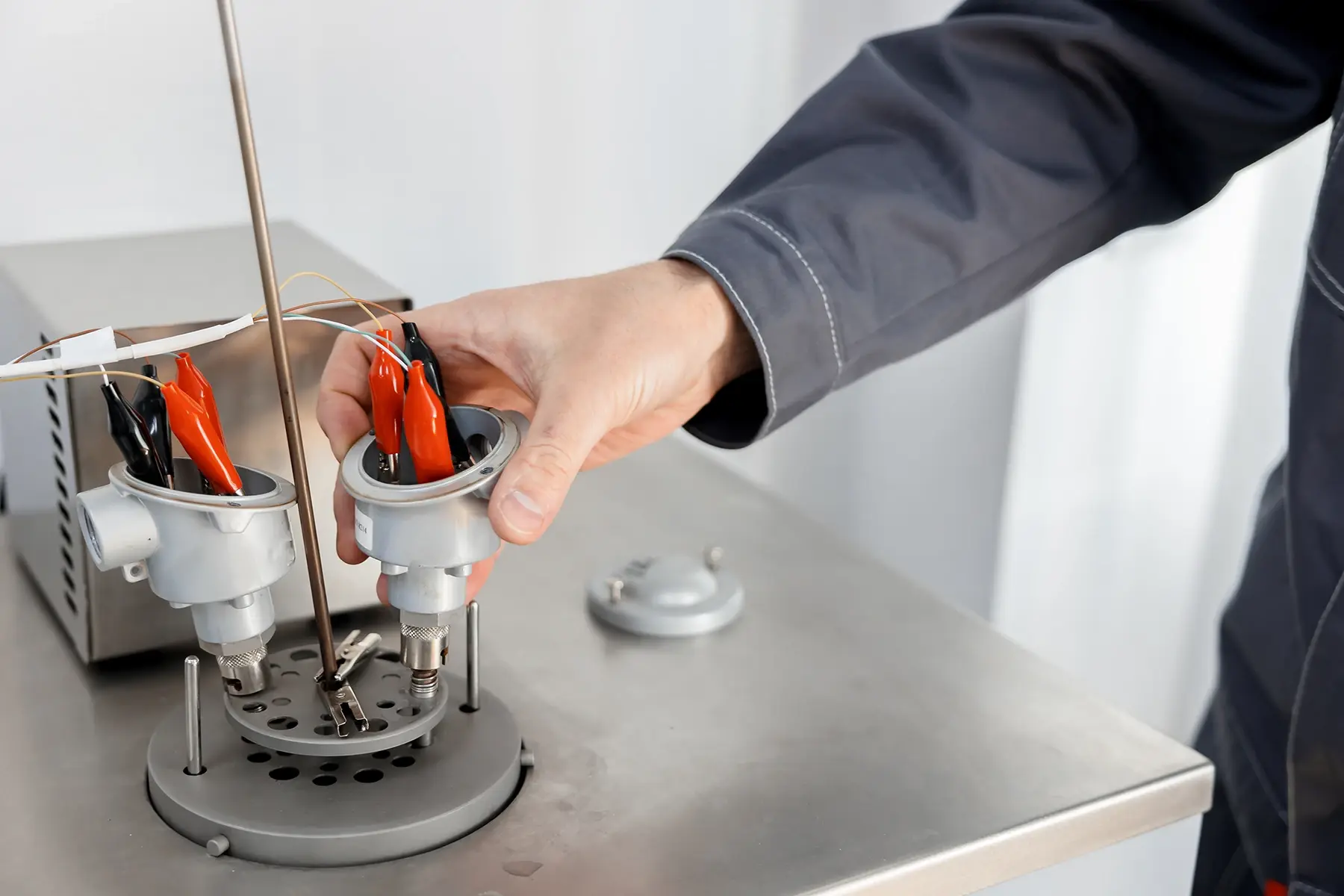
A properly run on-site visit follows the same documentation discipline as an in-lab calibration: as-found measurements are recorded before any adjustment, calibration is performed against traceable reference standards brought to your facility, and as-left results are documented on a full certificate, not an abbreviated field note.
Accreditation is documented per parameter on a lab's scope of accreditation, and not every parameter is eligible for on-site service. Confirm with your provider which instruments on your list are covered for on-site work under their accredited scope.
Preparing for an On-Site Visit
A few things make an on-site visit go smoothly:
A current instrument list with make, model, serial number, and calibration due date for each item
Confirming which instruments genuinely need on-site service versus which could be shipped, so the technician arrives with the right reference standards for the visit
Flagging any access, safety, or scheduling constraints at your facility ahead of time, particularly for fixed installations like furnaces
On Site Calibration Services
CTPM provides on-site calibration services nationwide. Contact CTPM to discuss your facility's location and confirm scheduling for on-site service.