
GNSS Calibration: What It Involves and When It's Required

GNSS Calibration: What It Involves and When It's Required

What Is GNSS Calibration?

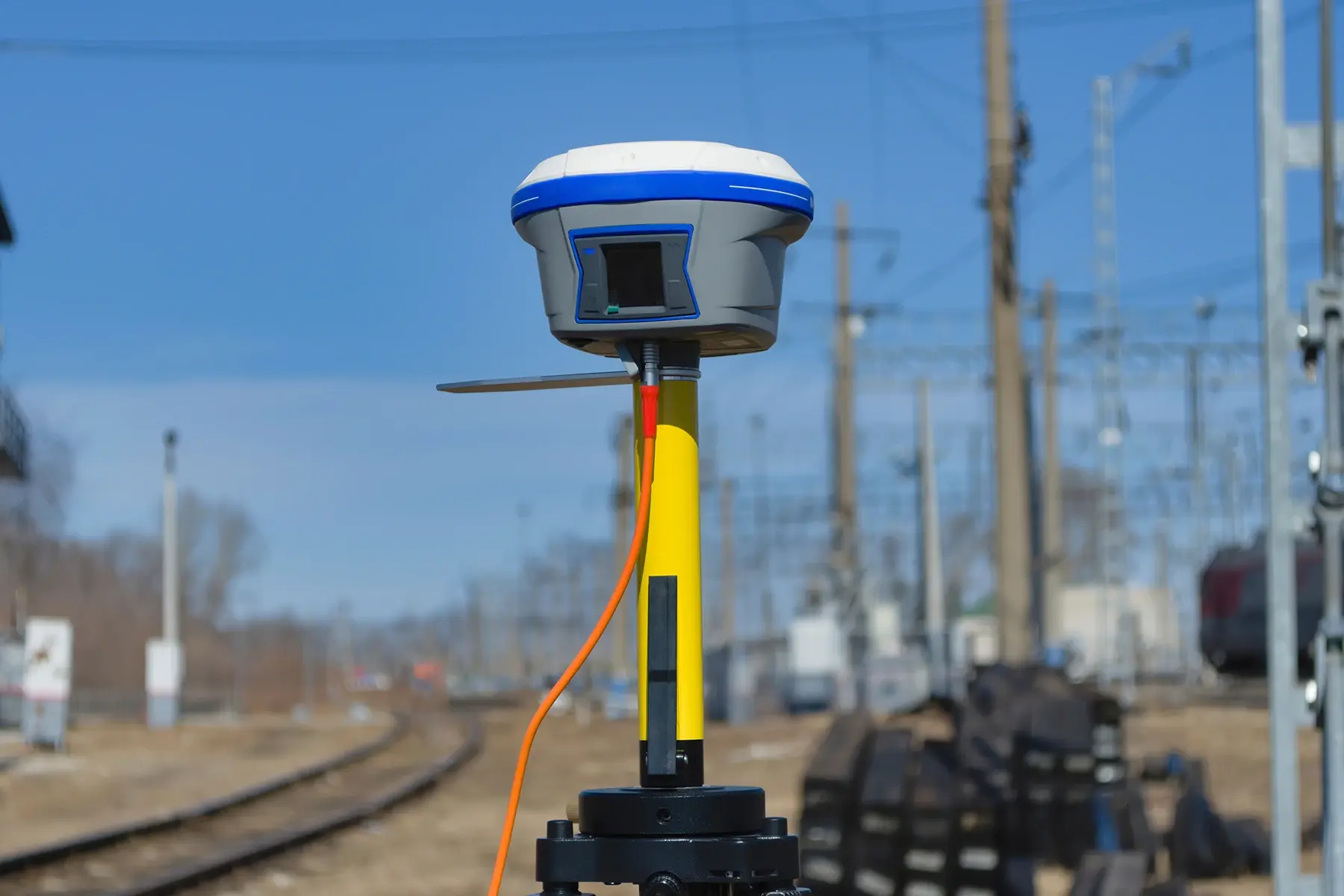
GNSS (Global Navigation Satellite System) receivers used in surveying and construction rely on precise antenna and internal reference measurements to convert satellite signals into accurate positioning data. Calibration verifies that a receiver's antenna phase center, internal timing, and reference measurements are all performing within the manufacturer's specified tolerances, rather than simply confirming the unit powers on and displays a position.

This is a different process from updating firmware, downloading new satellite ephemeris data, or re-establishing a base station connection — all of which are common troubleshooting steps that do not verify or correct instrument accuracy the way calibration does.


How Is GNSS Calibration Different From a Firmware Update?

A firmware update changes the software running on the receiver: bug fixes, new satellite constellation support, or interface improvements. It does not measure or correct the physical accuracy of the antenna or internal reference components. A receiver can be fully up to date on firmware and still be out of calibration, and conversely, calibration does not substitute for keeping firmware current. Both matter, but they solve different problems.


When Does GNSS Equipment Need to Be Calibrated?

General industry guidance points to calibration:

  • On a defined interval, consistent with the receiver manufacturer's recommendation
  • After any drop, impact, or exposure to extreme temperature or moisture
  • Before use on projects with tight positional tolerance requirements, such as control network establishment
  • Whenever field comparison checks against a known control point show unexplained positional offset
  • Instrument identification (make, model, serial number)
  • The reference standard or control point used, with its own traceability
  • As-received and as-left measured values, not just a pass/fail statement
  • The date of calibration and recommended next calibration date
  • The accrediting body and accreditation number if the lab is accredited to ISO/IEC 17025:2017


What Does the Calibration Process Involve?


Antenna phase center verification

The antenna's electrical phase center, which can differ slightly from its physical center, is verified against a known reference. Errors here translate directly into positional offset in the field.

Reference and timing checks

Internal timing and reference measurements that the receiver uses to process satellite signals are checked against a traceable standard.

Comparison against a known control point

The receiver's reported position is checked against a surveyed point with a known, traceable coordinate to confirm real-world accuracy, not just internal diagnostics.


What Certification Documentation Should You Receive?

A GNSS calibration certificate should include:

Accreditation to ISO/IEC 17025:2017 is the most reliable path to documentation that will satisfy project, client, or contractual traceability requirements, though it is not a universal requirement for every survey project.


Why Work With an Accredited Calibration Lab

GNSS positioning data often feeds directly into legal boundary determinations, construction stakeout, and infrastructure design. Working with a lab accredited to ISO/IEC 17025:2017 means the calibration itself has been independently assessed for competence, giving that downstream work a documented, traceable foundation rather than an assumed one.

That foundation is what protects your project when positioning accuracy is challenged. Contact CTPM to schedule ISO/IEC 17025:2017 accredited calibration for your GNSS equipment and other survey instruments.

 → Schedule Your Calibration  

Calibration Traceability: What Your Quality Standard Requires

Calibration Traceability: What Your Quality Standard Requires

Does Your Quality Standard Require ISO/IEC 17025 Accreditation? Many quality managers assume that ISO/IEC 17025 accreditation is universally required...
Read More
On-Site Calibration: When to Bring the Lab to Your Facility

On-Site Calibration: When to Bring the Lab to Your Facility

On-Site or In-Lab? A Quick Decision Framework Shipping an instrument to a calibration lab is the default approach for good reason, and it works well...
Read More
Physical Dimensional Calibration: A Complete Guide

Physical Dimensional Calibration: A Complete Guide

Why Dimensional Accuracy Compounds Across a Process Dimensional measurement error rarely stays contained to a single reading. When a caliper or gauge...

Read More