Total Station Calibration: Tolerances and Certification Requirements
What Is Total Station Calibration?
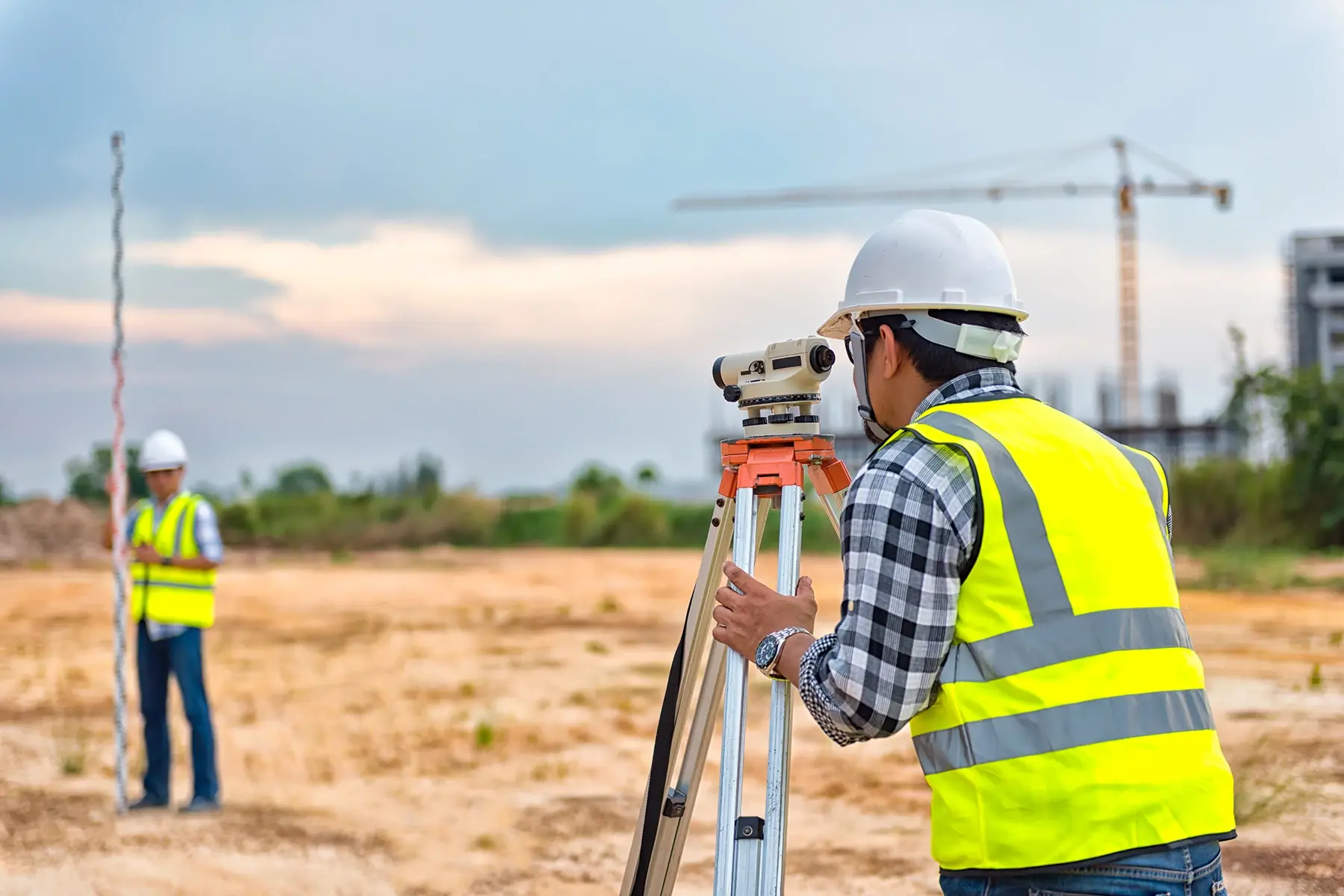
A total station combines an electronic theodolite with a distance meter to measure horizontal and vertical angles along with slope distance. Because construction layout, boundary surveys, and infrastructure projects depend on these measurements being accurate to fractions of a second of arc and fractions of a millimeter, even small instrument drift can compound into significant positional error over a project site.
Calibration confirms the instrument's angular measurement, distance measurement, and internal compensator are all performing within the tolerances the manufacturer specifies, and it produces a certificate that documents traceability back to national or international measurement standards.
How Often Should a Total Station Be Calibrated?
Most manufacturers and industry guidance recommend calibration:
On a defined interval (commonly annually, though usage intensity affects this)
After any drop, impact, or rough transport
After exposure to significant temperature extremes
Before use on any project with tight tolerance requirements (survey control networks, high-precision construction layout)
Whenever field checks (such as a two-peg test) indicate measurement drift
The specific instrument identification (make, model, serial number)
The date of calibration and recommended next calibration date
The measurement standards and reference equipment used, with their own traceability
As-received and as-left condition of the instrument
Measured values against manufacturer tolerances, not just a pass/fail statement
The accrediting body and accreditation number if the lab is accredited to ISO/IEC 17025:2017
What Does the Calibration Process Involve?
Collimation testing
Verifies that the instrument's line of sight is properly aligned with its mechanical axis. A misaligned line of sight introduces systematic angular error into every measurement.
Angular accuracy verification
Horizontal and vertical angle measurements are checked against known reference angles to confirm the instrument reads within its rated accuracy class (commonly expressed in arc-seconds).
Distance measurement verification
The instrument's electronic distance meter (EDM) is checked against a certified baseline of known length to confirm distance readings fall within tolerance across the instrument's working range.
Compensator check
The internal tilt compensator, which corrects for small leveling errors, is tested to confirm it's correcting accurately rather than introducing its own error.
What Tolerances Apply?
Total station tolerances vary by instrument class and manufacturer specification. As a general framework:
Measurement Type
Typical Tolerance Range*
Angular accuracy
1″ to 5″ (arc-seconds), depending on instrument class
Distance accuracy
±(2mm + 2ppm) to ±(1mm + 1ppm), depending on instrument class
What Certification Documentation Should You Receive?
A proper total station calibration certificate should include:
Accreditation to ISO/IEC 17025:2017 is the most reliable path to ensuring this documentation meets project, client, or contractual traceability requirements. It is not a universal mandate for every survey project, but where traceable, defensible measurement matters, accredited calibration is the strongest available assurance.
Why Work With an Accredited Calibration Lab
Working with a lab accredited to ISO/IEC 17025:2017 means the calibration process itself has been independently assessed for competence, and the resulting certificate carries documented traceability to recognized measurement standards. For survey work feeding into legal boundary determinations, construction contracts, or infrastructure projects, that traceability is often the difference between a certificate that holds up under scrutiny and one that doesn't.
That traceability is what stands behind your measurements when a project, client, or court asks for it. Contact CTPM to schedule ISO/IEC 17025:2017 accredited calibration for your total station and other survey equipment.